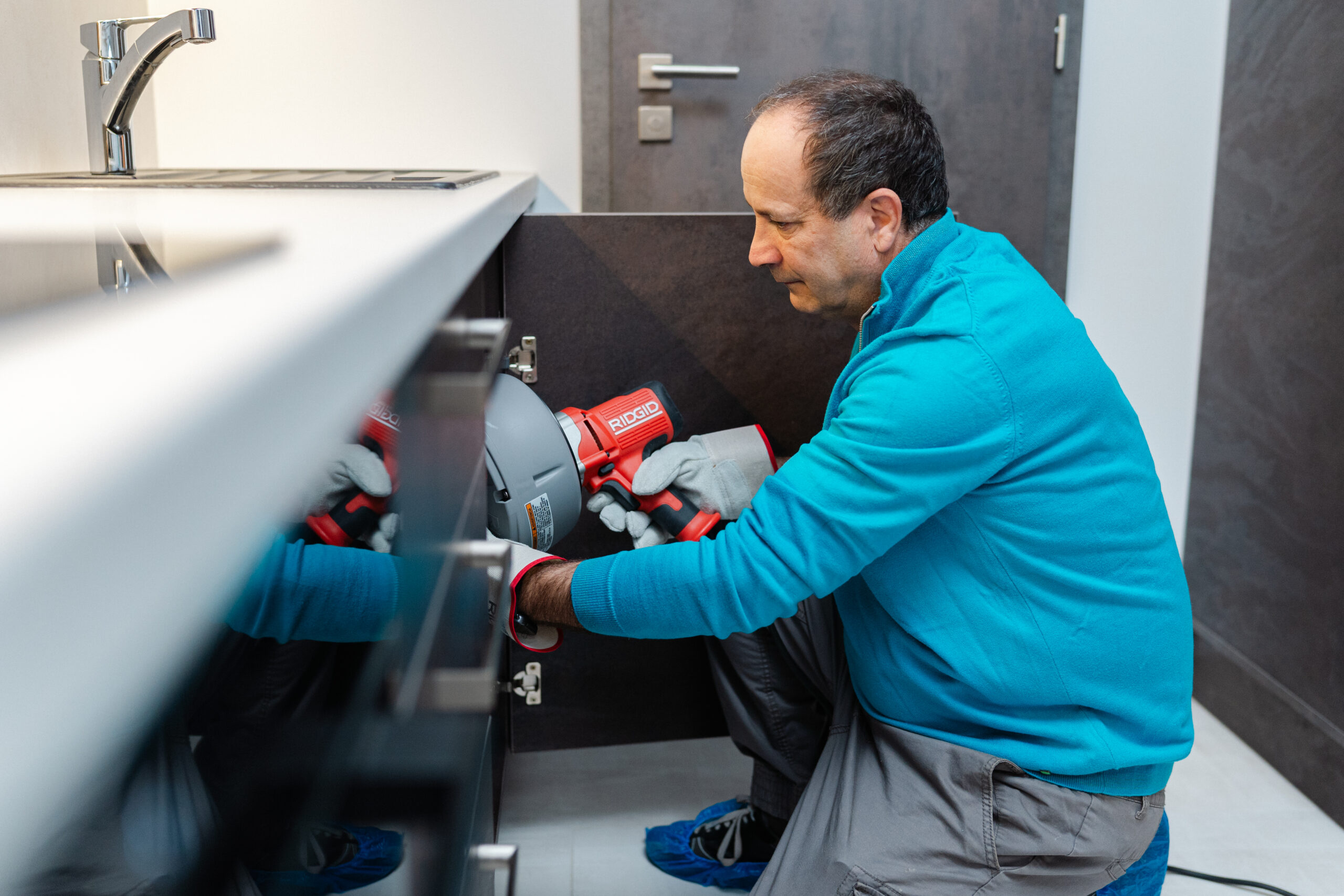
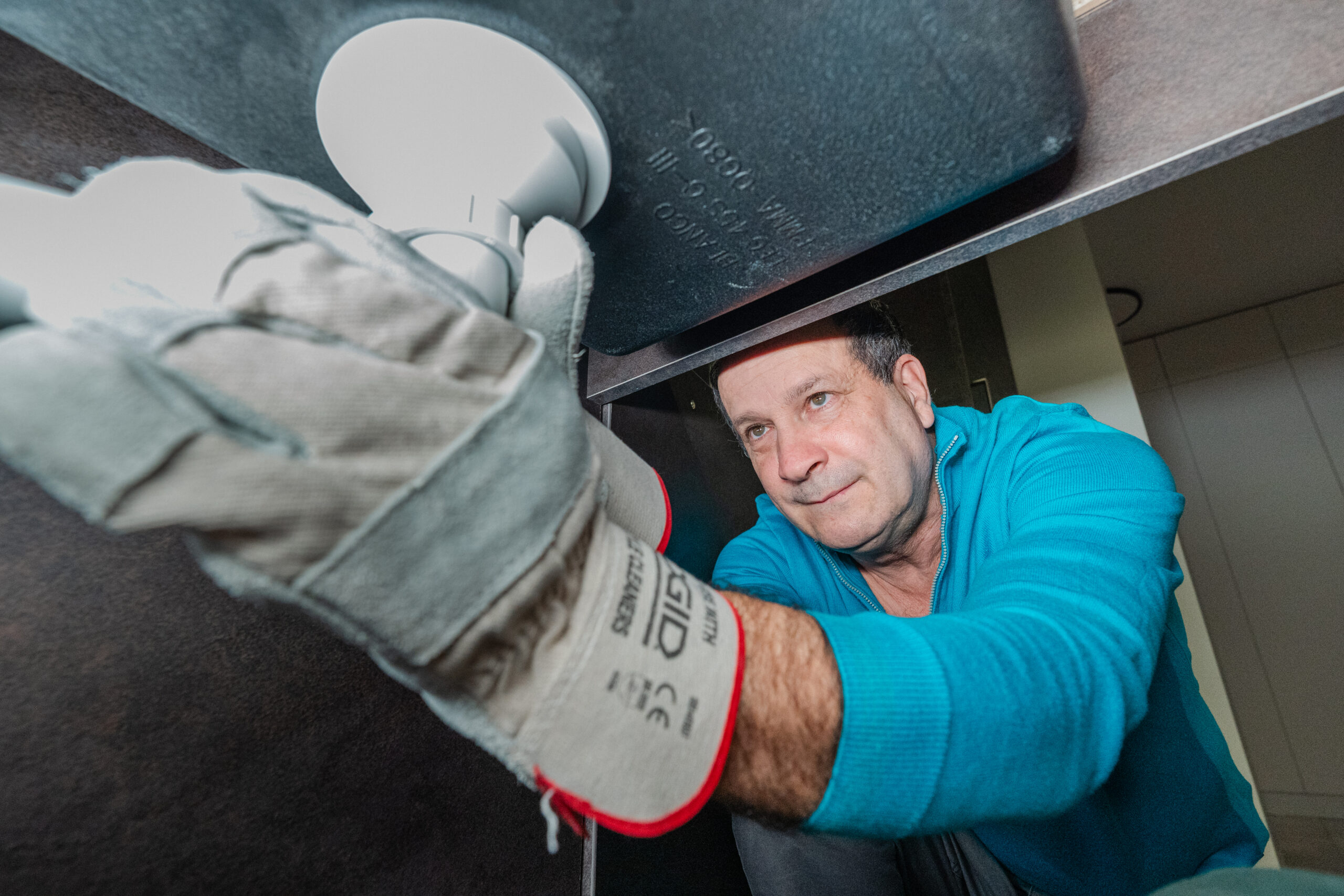
Although blockages should always be handled by a professional for a safe, precise, and hygienic solution, sometimes it can be useful to try simple methods at home. Below are a few tips and ideas that may help you tackle minor blockages or prevent them from forming.
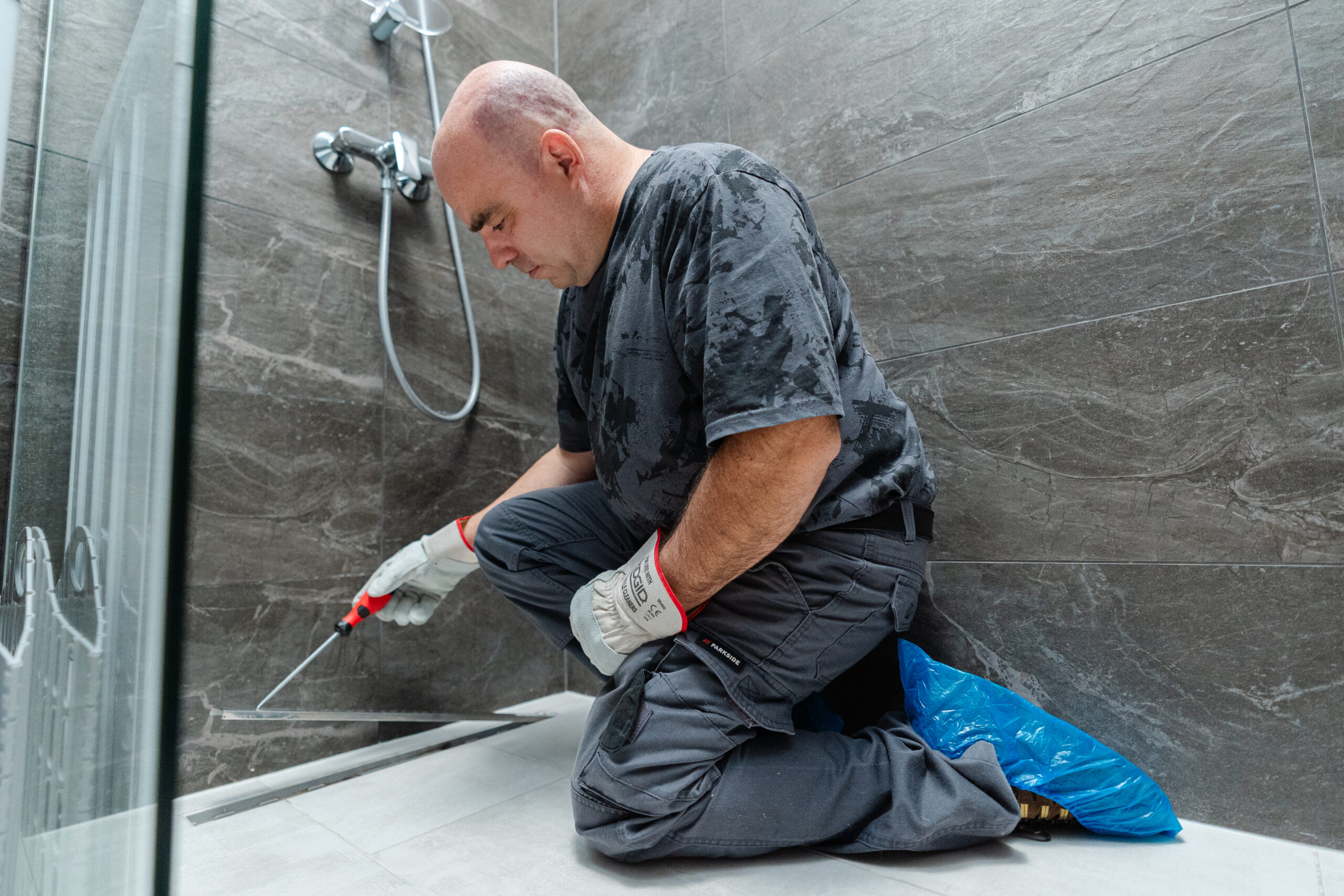
A high-pressure rinse is a reliable method for clearing blockages. It is recommended to remove the showerhead first, then use the shower hose to direct the water stream. Fill the bathtub completely with water, and direct the water jet straight into the drain. This can often flush the pipe effectively and remove the blockage without the need for dismantling.
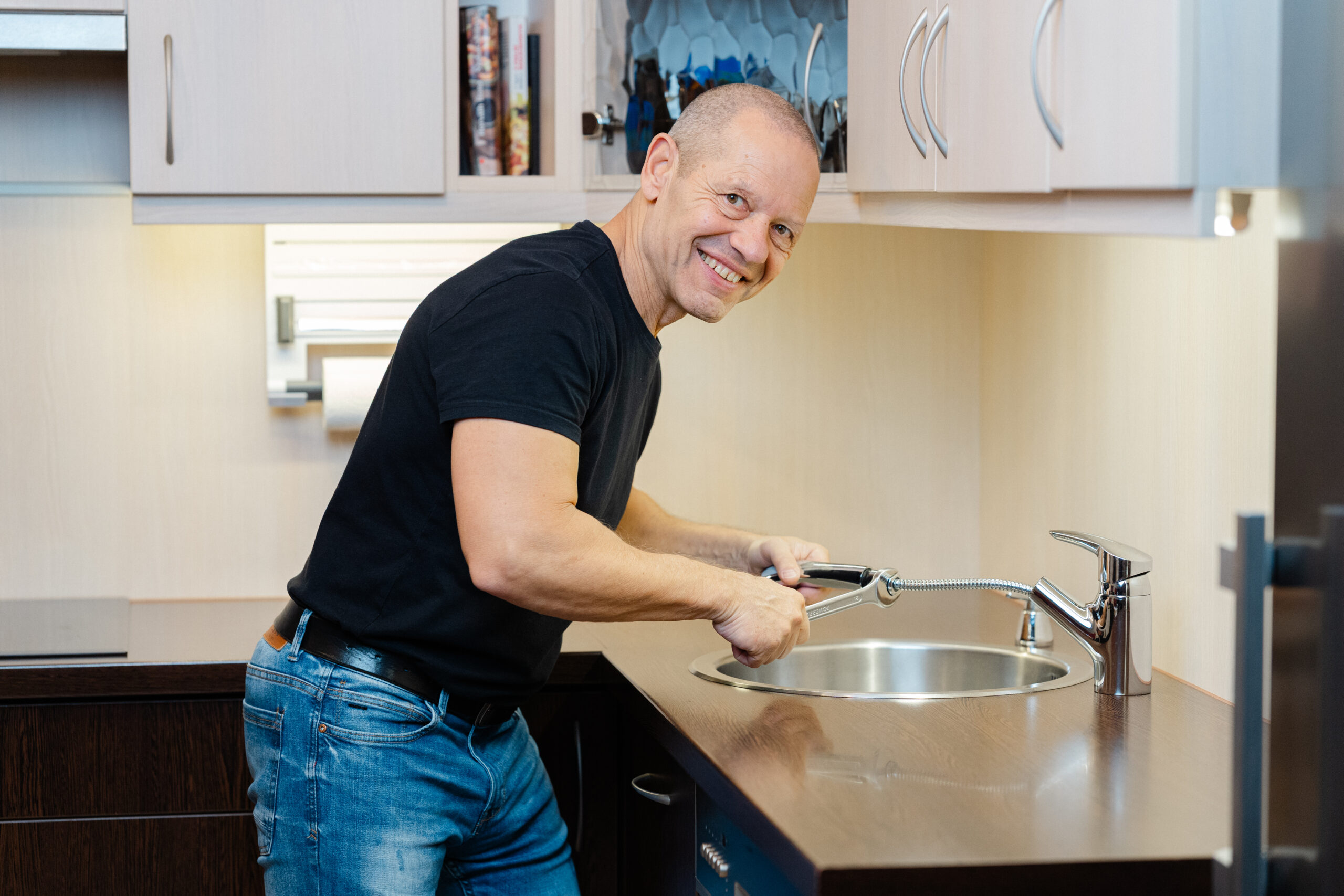
Blockages are usually caused by accumulated soap and grease. Avoid using strong chemical degreasers, as they cannot break down synthetic materials and may damage metal sinks and plastic pipes or traps. Drain unblocking should always be handled by a professional. To prevent blockages:
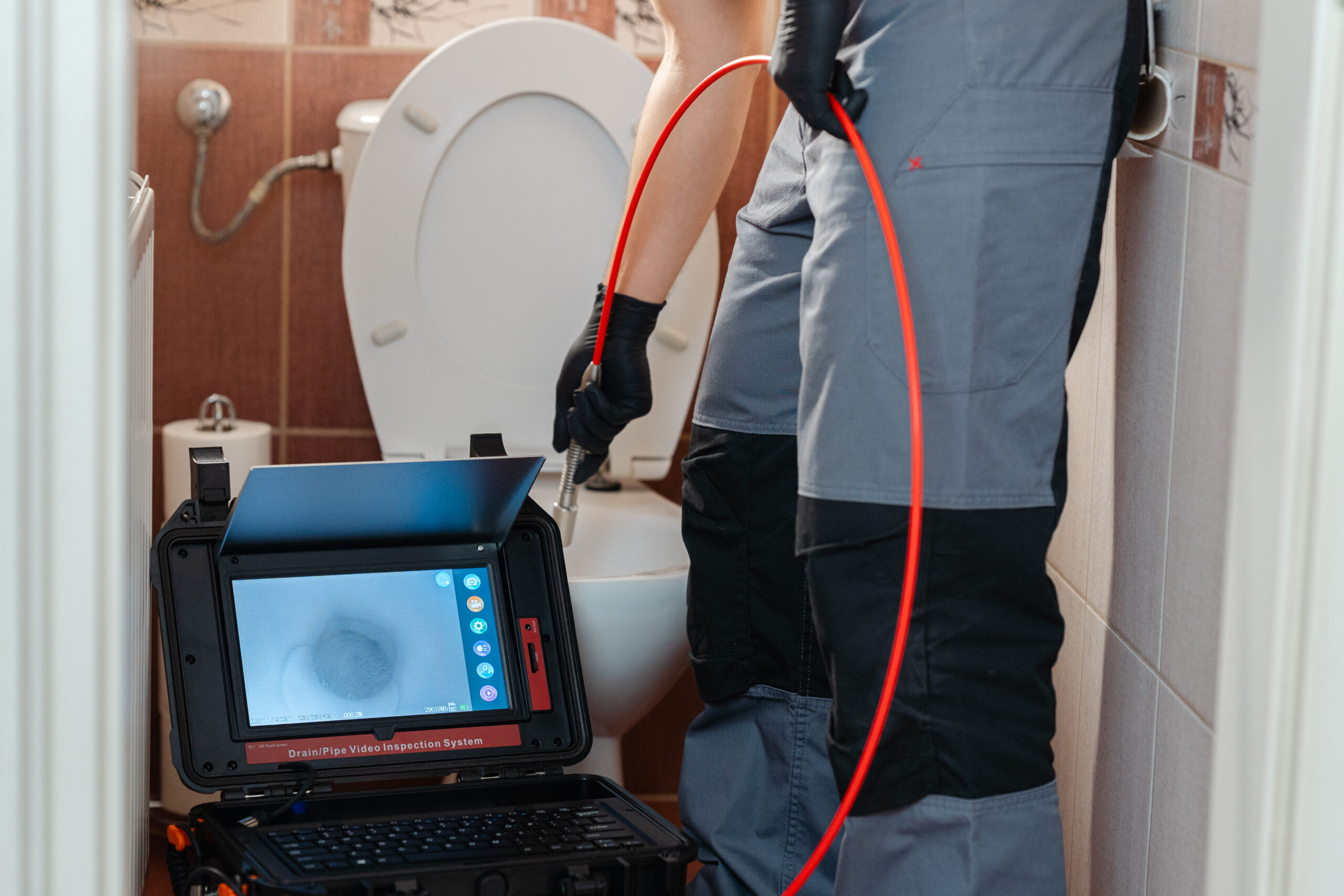
Prevention is the simplest solution. Only flush toilet paper down the WC. Items like tissues, wipes, or sanitary pads do not dissolve easily and can cause blockages quickly. Drain cleaners are usually ineffective in toilets. The recommended method is using a plunger. If a small plastic object (toilet cleaner, air freshener, etc.) has fallen in, a plunger may not be enough, and it is best to call a professional. Otherwise, create a vacuum by immersing the plunger in water and moving it up and down to clear the blockage.

I generally do not recommend chemical drain cleaners. Anything they can remove can usually be cleaned manually with a thorough siphon/trap cleaning.
Don’t let a blockage disrupt your daily life! Call us today, and our experts will be on-site within 2 hours. NON-STOP appointment booking, every day — including weekends and public holidays!